
As the global appetite for Japanese Domestic Market (JDM) cars continues to surge—think sleek Subaru WRXs, bulletproof Toyota Land Cruisers, or nimble Mazda Miatas—buyers are flocking to imports for their legendary reliability, unique features, and often unbeatable value. But beneath the glossy auction sheets and pristine exteriors lurks a shadowy practice that’s costing unsuspecting enthusiasts thousands: odometer tampering. Also known as “clocking” or “rolling back,” this fraud involves resetting or altering a vehicle’s mileage to make it appear newer and more valuable than it really is. In the JDM world, where cars are exported en masse from Japan, this scam thrives due to the country’s unique vehicle lifecycle. In this post, we’ll dive deep into how Japan’s inspection system creates the perfect storm for tampering, especially with newer models, and arm you with practical tips to spot the signs—both on paper and under the hood.
Japan’s Shaken System: A Double-Edged Sword for JDM Enthusiasts
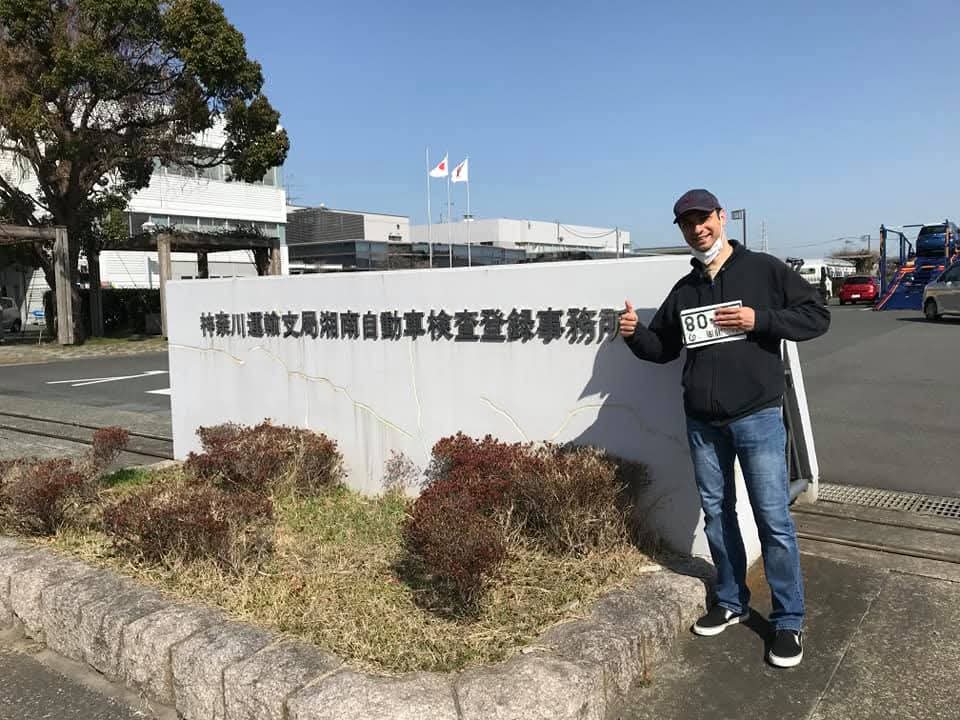
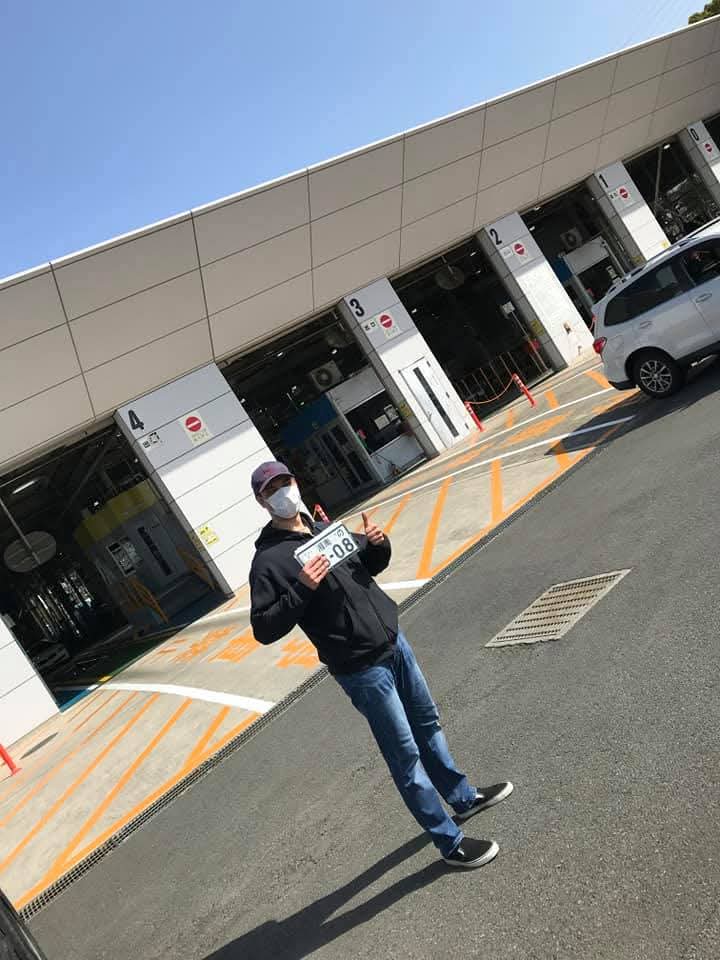
To understand why odometer tampering is such a persistent issue in JDM imports, we need to start with Japan’s rigorous vehicle inspection regime, known as *Shaken* (short for *Jidosha Kensa Torokuseido*, or the vehicle inspection and registration system). This mandatory process ensures road safety, emissions compliance, and overall vehicle condition, but it’s notoriously strict—and expensive. Think of it as a biennial “health check-up” for your car, complete with exhaustive tests on everything from headlights and exhaust emissions to suspension and seat belts.
Here’s where it gets interesting for JDM buyers: The inspection schedule varies dramatically between new and older vehicles, creating a loophole that’s ripe for exploitation.
New Cars: Three Years of Freedom (and Temptation)
For a brand-new passenger vehicle in Japan, the first *Shaken* inspection isn’t due until **three years** after initial registration. During this grace period, there’s no mandatory government oversight—no emissions tests, no undercarriage scrutiny, and crucially, no official mileage logging tied to inspections. Owners can rack up kilometers freely without the hassle (or cost) of compliance, which often runs into hundreds or even thousands of dollars for repairs and fees.

This three-year window is a boon for low-mileage exports, but it’s also a vulnerability. A car that’s been driven hard—say, as a daily taxi people mover van in Tokyo’s stop-and-go traffic—might accumulate 50,000+ km in those initial years. Without *Shaken* records to contradict it, a shady exporter or seller can simply roll back the odometer before slapping it on the auction block. The result? A “low-km gem” that fetches top dollar abroad, while hiding the wear of a well-used machine.
Older Vehicles: The Biennial Grind That Keeps Honest Cars Honest
Contrast this with cars over three years old: They require *Shaken* **every two years** thereafter. Each inspection logs the odometer reading officially, building a verifiable history that’s cross-checked against prior records. If a 10-year-old Nissan Skyline suddenly shows 20,000 km less than its last *Shaken*, red flags go up at auctions—sellers might even mark it as “odometer changed” to avoid liability. This system weeds out obvious fraud on older JDMs, which is why you’ll often see suspiciously pristine high-mileage veterans exported at bargain prices.
But for newer cars (under 5-6 years old), that initial three-year gap means fewer checkpoints. No bi-annual paper trail? No problem for fraudsters. They can drive the car into the ground, tamper the clock, and export it before the first *Shaken* forces transparency.
The Tampering Timeline: How New JDMs Get Clocked and Flipped
Picture this: A fresh-off-the-lot Honda Civic Type R lands in a Japanese owner’s garage in 2022. Over the next three years, it’s thrashed through urban commutes, weekend track days, and salty winter roads—piling on 60,000 km of invisible abuse. As the *Shaken* deadline looms in 2025, the owner (or dealer) faces a dilemma: Fork over ¥100,000+ ($900+) for inspections and fixes or offload it quick.
Enter the tamper: The odometer gets reset to a pristine 20,000 km using cheap tools or a junkyard swap—illegal in Japan, but enforcement is spotty and penalties rarely deter repeat offenders. The car hits XYZ or another auction house, where it’s sold privately or to an exporter. Auction sheets might note the (falsified) low mileage, but without prior *Shaken* data, it’s hard to disprove. Before shipping to the US, Australia, or Europe, it might pass a cursory JEVIC export check, but even those can be gamed if the inspector isn’t thorough.
By the time it lands in your driveway, you’re paying a 30-50% premium for “low miles,” only to discover sagging suspension and a timing belt that’s overdue by 40,000 km. Estimates suggest up to 80% of some JDM exports may have tampered odometers, with newish models hit hardest due to that inspection-free honeymoon. The risks? Premature breakdowns, voided warranties, and resale headaches—plus legal recourse that’s a nightmare across borders.
Spotting the Scam: Physical Checks to Unmask Clocked Kilometers
Don’t rely on the dashboard digits alone. Odometer fraud leaves fingerprints—literal and figurative—on the car’s body and components. Here’s your hands-on checklist to physically vet a JDM import. Pro tip: Bring a flashlight, a notepad, and a mechanic buddy if possible.
1. **Scour for Service Stickers and Records**
– **Oil Change Stickers:** These humble decals, often plastered on the driver’s door jamb, under the hood, or inside the oil filler cap, log mileage and dates from routine services. A “low-km” car (e.g., 30,000 km) with stickers showing 70,000 km at the last oil top-up? Major red flag. Japanese owners are meticulous about maintenance, so mismatched stickers scream tampering.
– **Service Book Discrepancies:** Flip through the logbook. Entries should show progressive mileage increases aligned with dates. Gaps or drops? Think twice. Fair enough if there’s no logbook as they can get stolen, most commonly at the docks.
2. **Inspect High-Wear Components for Inconsistencies**
– **Timing Belt/Water Pump:** On most JDM engines (like Toyota’s 2JZ or Honda’s K-series), the timing belt should be replaced every 90,000-100,000 km or 5-7 years. Pop the hood and check the belt’s condition—cracks, fraying, or fresh replacement stickers at low mileage suggest the odometer’s hiding higher use.
– **Brake Pads and Rotors:** Pads wear out every 40,000-60,000 km, unless it’s a hybrid. Shiny new pads on a supposed 20,000 km Subaru? Suspicious—unless it’s been babied in a garage.
– **Tires and Wheels:** Original tires should last 40,000-60,000 km. If the tread is worn to the cords but the odometer reads 15,000 km, someone’s fibbing. Check for uneven wear from aggressive driving. Check also if it’s brand new tires or few months old. A 3y old vehicle doesn’t need last month’s made tires.
3. **Eyeball the Interior and Exterior for Wear Patterns**
– **Pedals, Seats, and Steering Wheel:** Brake and accelerator pedals shine like new at 20,000 km but look like moon craters at 100,000. Ditto for driver’s seat bolsters (frayed on JDM sports cars) and the steering wheel’s leather (cracked from sweaty Tokyo summers).
– **Undercarriage and Rust:** JDMs from snowy regions show salt-induced rust on frames and exhausts after 50,000 km. A spotless underbelly on a 2019 model with “low miles”? It might have been polished to hide a high-km past.
– **Odometer Itself:** For mechanical units (common in older JDMs), look for misaligned digits or tool scratches around the cluster. Digital ones? No visible tells, but pair this with a scan tool for ECU-stored mileage.
4. **Beyond the Physical: Digital and Documentary Due Diligence**
While you’re poking around, cross-reference with auction sheets (request originals—they’re harder to fake) and a JEVIC odometer verification. For imports, run a VIN check via services like Carfax, CarVX (limited for JDMs) or Japan-specific databases for *Shaken* history. And always insist on a pre-purchase inspection (PPI) from a trusted shop familiar with JDM quirks.
Final Rev: Protect Your JDM Dream from Mileage Mayhem
Odometer tampering isn’t just a Japanese export problem—it’s a global used-car plague, but the *Shaken* system’s quirks make newish JDMs especially juicy targets. That three-year inspection-free period lets fraudsters operate in the shadows, rolling back km on cars driven hard before flipping them at auctions or private sales. The good news? Armed with physical checks like sticker audits, belt inspections, and wear pattern scrutiny, you can peel back the deception.
Next time you’re eyeing a low-km import, remember: If it looks too good to be true, it probably is. Invest in verification upfront—your wallet (and sanity) will thank you. Got a JDM horror story or pro tip? Drop it in the comments. Safe wheeling, and may your kilometers always be genuine.
*This post is for informational purposes only. Always consult professionals for vehicle purchases. *